Unsupported Browser
You are seeing this message because you are using the Internet Explorer web browser. Internet Explorer has not been updated with new features since the release of Windows 10 in July 2015, so it doesn't support the modern standards that our website uses. We recommend switching to Google Chrome, Mozilla Firefox, or Microsoft Edge, all of which our website is tested with.
.png)


Become a Member - Join Online!
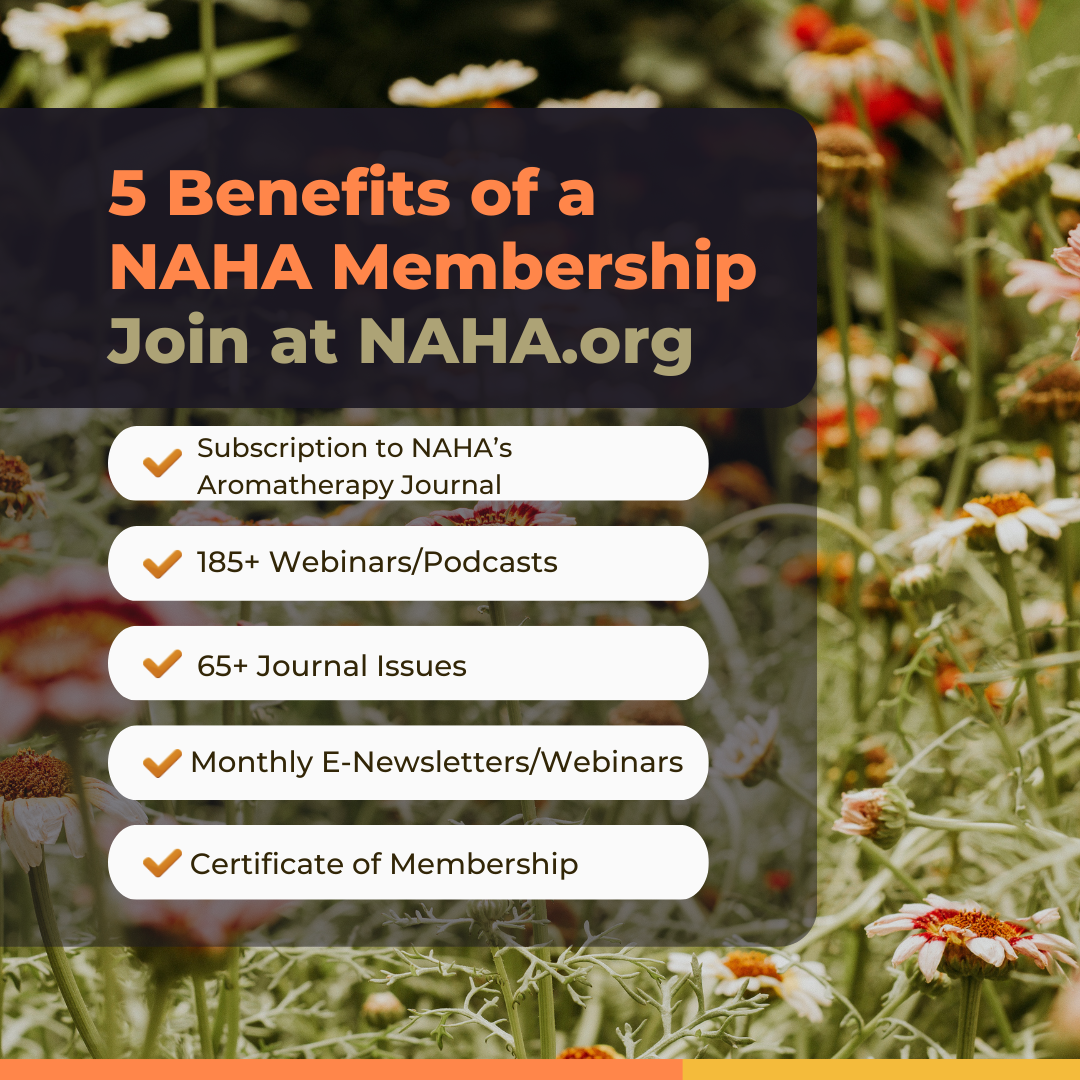
NAHA offers several membership levels with numerous benefits including access to NAHA’s E-Journal and 185+ Webinars/Podcasts!
Current Members - Renew Online!
Already a member? No problem. You can renew and manage your membership online. All your member benefits are available from your account page.
Research Studies Sponsored by NAHA - Donate Today!
Donate and become the change you want to see! Click to discover a list of studies!
Volunteer and Get Involved!
Volunteer to become an active member of the aromatherapy community. We offer a number of ways to get involved and look forward to having you.
Beyond Aromatics Podcast - Amanda Plunkett
Beyond Aromatics Podcast - Shanti Dechen
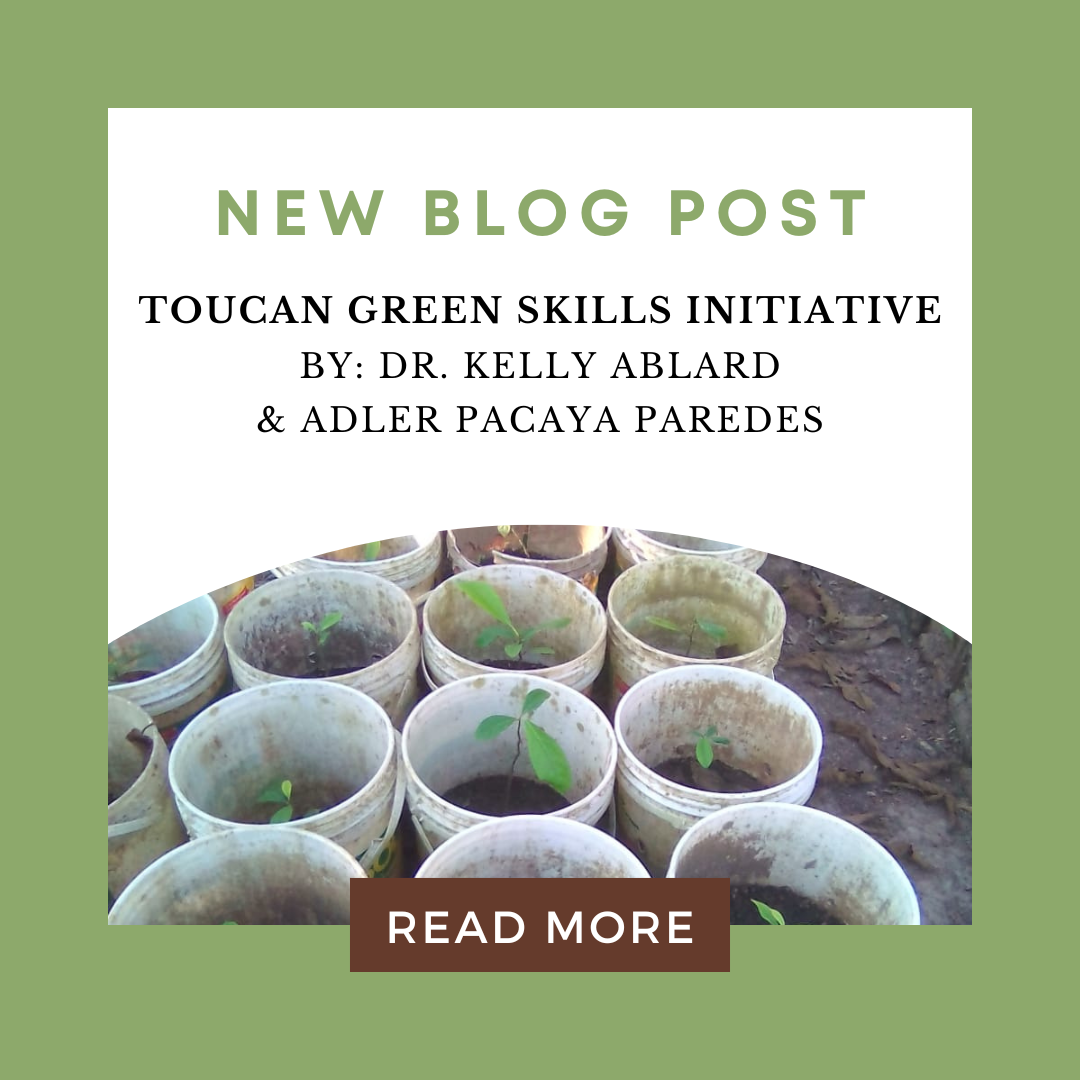
As we unfold the pages of our latest chapter with the Toucan Green Skills Initiative, we are eager to share with you an overall summary and the feedback we've gathered. This update not only reflects our progress but also underscores the invaluable partnership we've fostered with NAHA, whose support has been integral to the initiative's inception and success.
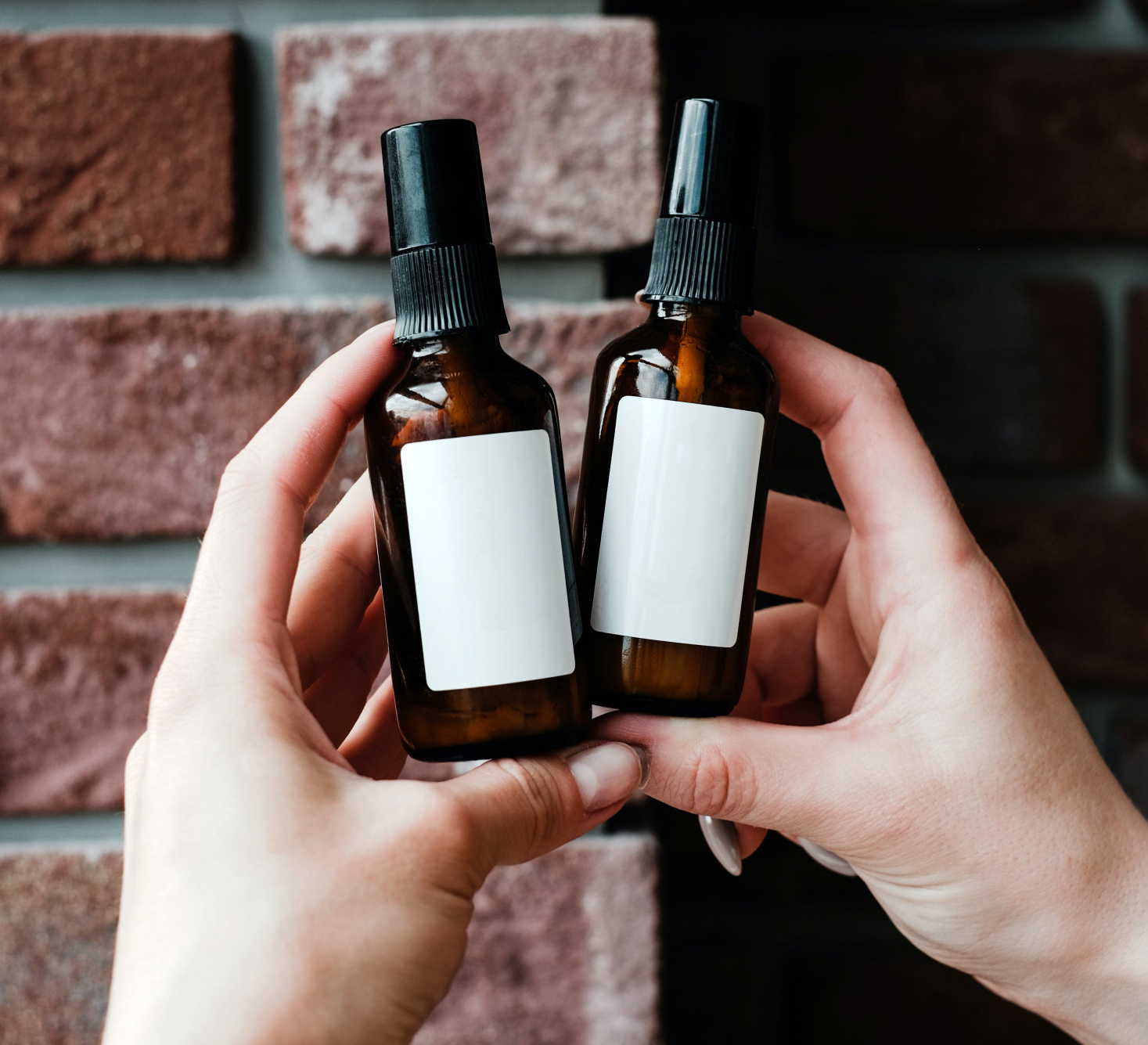
Raise your hand if you ever made a bad labeling decision. For those who cannot see me (Kayla), my hand is raised high. Oh boy, have I made some bad labeling decisions over the years! Some of those mistakes were from skimping on costs and other times from not speaking up when it just didn’t seem right.
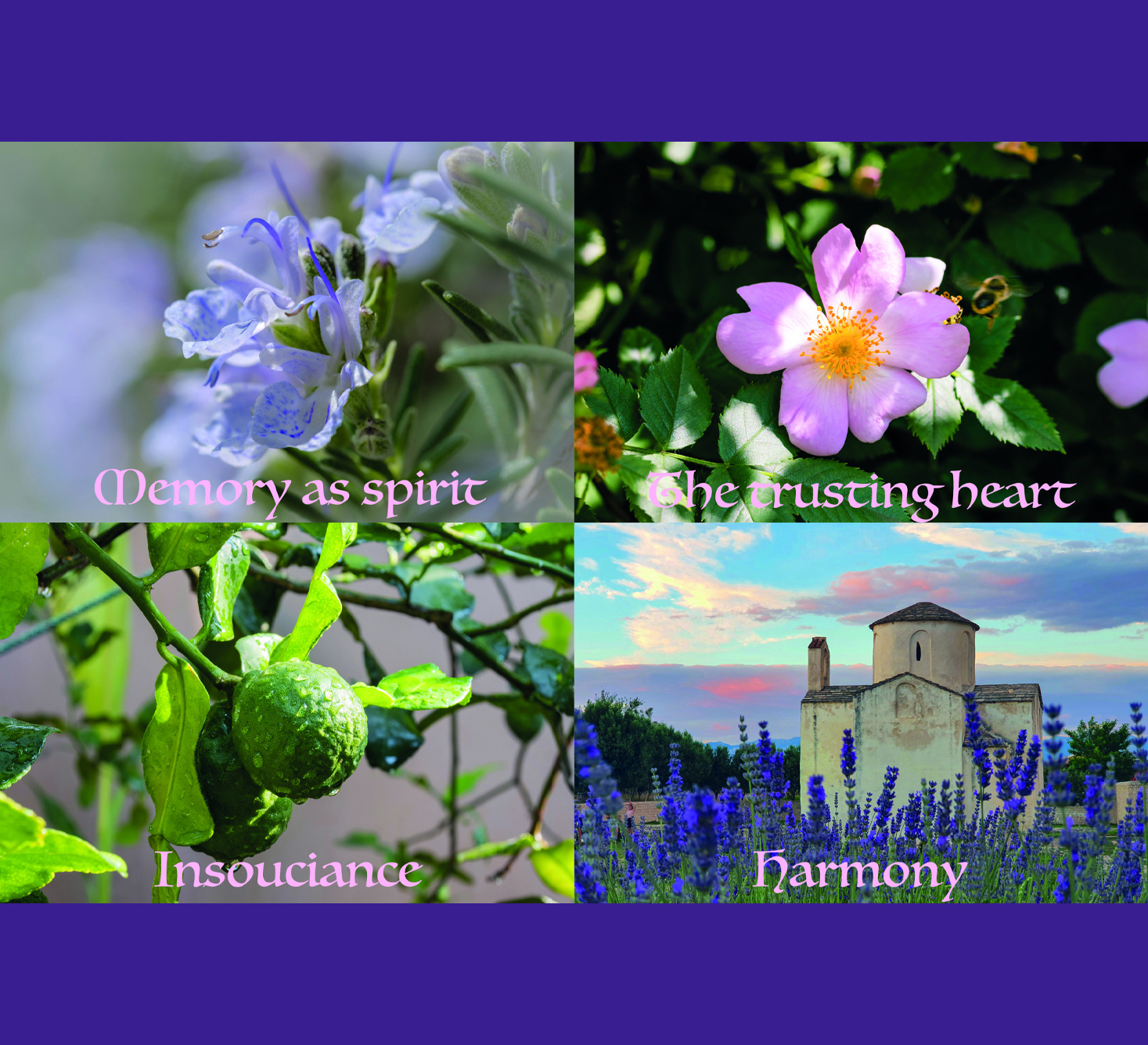
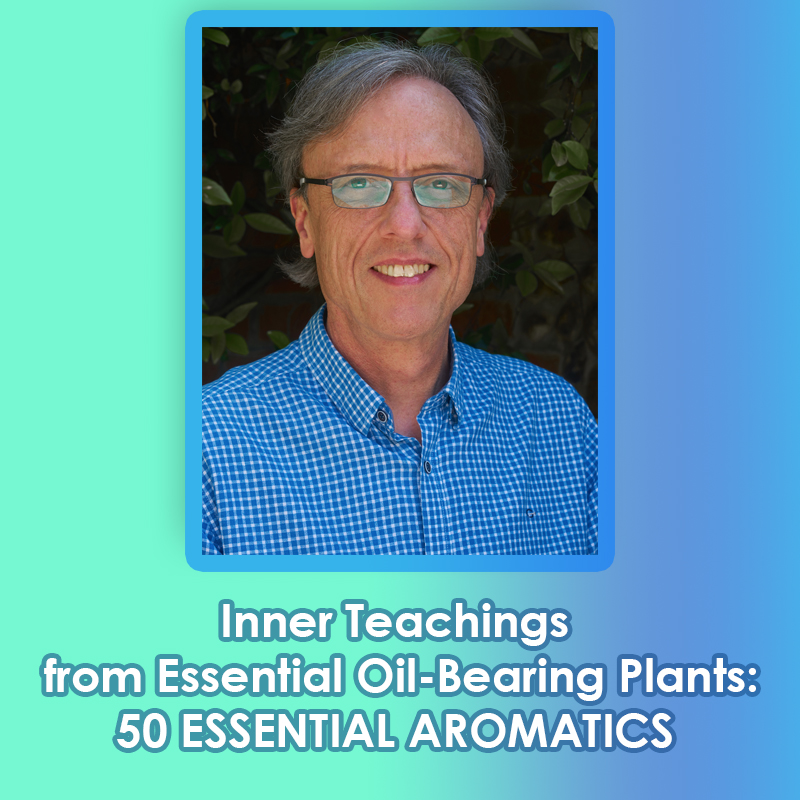
Approaching the ‘inner teachings’ of aromatic and medicinal plants rests on the experience of four core dimensions of being through which we are able to perceive their ‘powers’ and ‘virtues’ — perceptible via the senses in the first instance through their ‘signatum’, or unique ‘signature’, in the alchemical language of the philosopher, physician and alchemist-distiller Paracelsus..

Walking in the woods has long been considered...
Gabriel Mojay Webinar Series - Non-Member Pricing
By: Gabriel Mojay
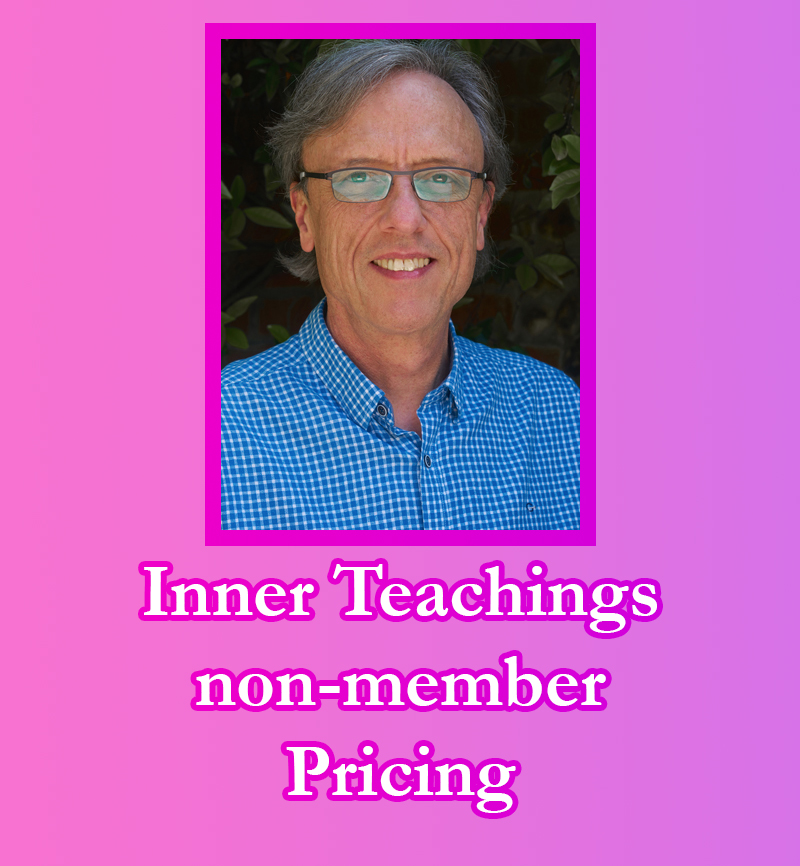
Gabriel Mojay Webinar Series - Member Pricing
By: Gabriel Mojay
Stay Informed
Not a member yet but would like to stay up to date with NAHA? Considering joining but would like to explore the National Association for Holistic Aromatherapy more? Join our e-newsletter today and stay in touch.
Get in Touch
Our office hours are 9 am to 5 pm Mountain time, Monday - Friday.
National Association for Holistic Aromatherapy
6000 S. 5th AvePocatello, ID 83204
208-232-4911
Browse Our Content
Search the Site
Let's Get Social
Copyright © 2024 National Association for Holistic Aromatherapy. All rights reserved.
The National Association for Holistic Aromatherapy is a 501(c)3 non-profit association.
All material provided on this website is provided for informational or educational purposes only, and is not intended as a substitute for the advice provided by your healthcare professional or physician.