TRUE AROMATHERAPY

by Shellie Enteen

“TRUE AROMATHERAPY”
by Shellie Enteen, BA, LMBT

Aromatherapy refers to the use of pure essential oils which have been extracted from plants, fruits, seeds, roots and flowers. Each essential oil has specific properties that have beneficial effects on the physical, mental and emotional levels. When true essential oils are added to massage oils or inhaled through room diffusion, it greatly enhances the therapeutic experience. Although they are more expensive than fragrance grade oils, it is important to use only pure, high quality essences -- manufactured and grown with integrity and without adulteration or harmful additives. And while it is possible to select a pre blended oil for a broad category such as relaxation, pain relief, circulation, the most effective treatment comes with the individual custom blend, created in the moment for the client based on their specific needs at the time. In order to create this kind of blend, the practitioner must have a good knowledge of the properties of essential oils and their methods of use, sensitivity to both aroma and the information their client conveys and a large collection of essences from which to choose. Proper methods must also be observed to insure safety and allow for contraindications. The following introductory information will serve to enhance the understanding and experience of True Aromatherapy for both client and practitioner.
A plant’s “essential oil” is a liquid produced in small, gland-like pockets. The word “essential” refers to the fact that this liquid both contains the imprint of the plant’s specific qualities and acts on behalf of the plant itself. This liquid is not oil in the chemical sense, but it emulsifies in oil, not in water. The volatile molecules of the essential oil communicate with the plant’s environment and mankind through their aroma and vibratory rate.
Though relatively new to the U.S., the art and practice of Aromatherapy is as old as our relationship with plants. Infused oils, pomades and plant resins were used from ancient times for healing, cosmetic and ceremonial purposes. References to the properties and uses for essential oils are found in manuscripts from China, India and Egypt that date as far back as 2,800 BC. Since most of these substances were rare and costly, they were employed mainly in the Royal Courts and Temples, administered with ritual and invocation. Frankincense, for example, was once used only by Hebrew Priests on the altar on High Holy Days. Trade routes and methods of extraction were often closely guarded secrets.
In the Twelfth Century, the introduction of the process of distillation in Europe made a large number of previously unobtainable plant essences available. Along with herbs and spices, these were the medicines of the time and the primary ingredient of personal fragrances. Ironically, nineteenth century chemists, anxious to identify the active biochemical ingredients and their effects, laid the groundwork for synthetic derivatives which led to the decline of both essential oils and herbal medicine.
Modern scientific literature on essential oils began in the late 1920’s with the French chemist, Gattefosse. He suffered a bad chemical burn while working in his laboratory in a cosmetics firm and knowing the old herbal lore, quickly applied the essential oil of Lavender (a popular ingredient in the colognes and sachets of his day.) To his amazement, the burn healed without pain, blister or scarring. Gattefosse began an investigation into the sedative and regenerative properties of Lavender which led to scientific exploration and testing of other essences. A great deal of medical research on the effects of essential oils now exists, leaving no doubt that when the right oil is chosen, at the right time, wonderful things can occur.
However, there are also contraindications for essences, as well as possible sensitivities and dosage guidelines. For example, some very potent essential oils such as Sage should be used infrequently and in low dose, while others, such as Juniper, are contraindicated during pregnancy. With the exception of Lavender and several other cell regenerating oils, essential oils must be diluted before use on the skin. A good client questionnaire will help screen for possible allergic reactions such as skin rash or headache (the good news is that the reaction is temporary) and other contraindications.
The most powerful Aromatherapy treatment comes through simple inhalation. Essential oil molecules immediately enter the brain and blood stream via cranial nerves, nasal membranes and the alveoli in the lungs. Studies indicate that some is absorbed directly into the lymph and capillaries through skin contact. In the brain, essential oils activate certain glands to send chemical messages to the body and mind.
An individual’s response to essences can differ from time to time which makes having a good “sense” of which essence to choose as valuable as all the literature on properties. In order to develop this, one must become familiar with essences and the information directly conveyed through their aroma. Pay attention to “likes and dislikes” because it is thought that these responses communicate desirability of effects.
When a practitioner with knowledge and understanding creates a custom Aromatherapy blend for use in a regular massage, therapeutic massage, hot stone or other treatment, the effects of the essences combine with the effects of the bodywork modality to create a more powerful experience of balance and harmony in the body, mind and spirit. The specific effects of the essential oils can last up to 24 hours.
True essential oils range in price from extremely expensive (like melissa, rose, jasmine,) expensive (like frankincense, chamomile, sandalwood,) moderate (like lavender, peppermint, basil) to inexpensive (like eucalyptus, rosemary, orange.) “Bargains” are not always what they seem to be in this field. Question the quality when a wide variety of essences are offered in the same amount (usually 10 milliliters) for the same price. Think twice when an essence you know to be very expensive, like Rose, is offered in large quantity at a low price. Some factors that influence quality and price are: the method and expertise of extraction, the region of growth, a particular species of the same plant and/or extraction from certain parts of the plant. As with crops, a shortage can push the price up.
In these and other ways, the essential oil business shares many characteristics with the wine industry: Many of the manufacturers of fine essential oils have been in business for centuries. Since plants are living organisms, they are affected by their environment and climate. Therefore, the same manufacturer can produce an essence that varies in aroma from year to year, so you can expect the same variance with true essential oils that you would from different vintages of wine.
Most distributors shop the manufacturers and repackage the essences, either singly or in blends, under their own label. Be wary if a distributor claims exclusivity on quality but know that when distributors shop well, the results are quality products that deliver fine fragrance and good therapeutic effects. Although essential oils do have specific proven therapeutic effects, be skeptical when hearing claims that sound too good to be true.
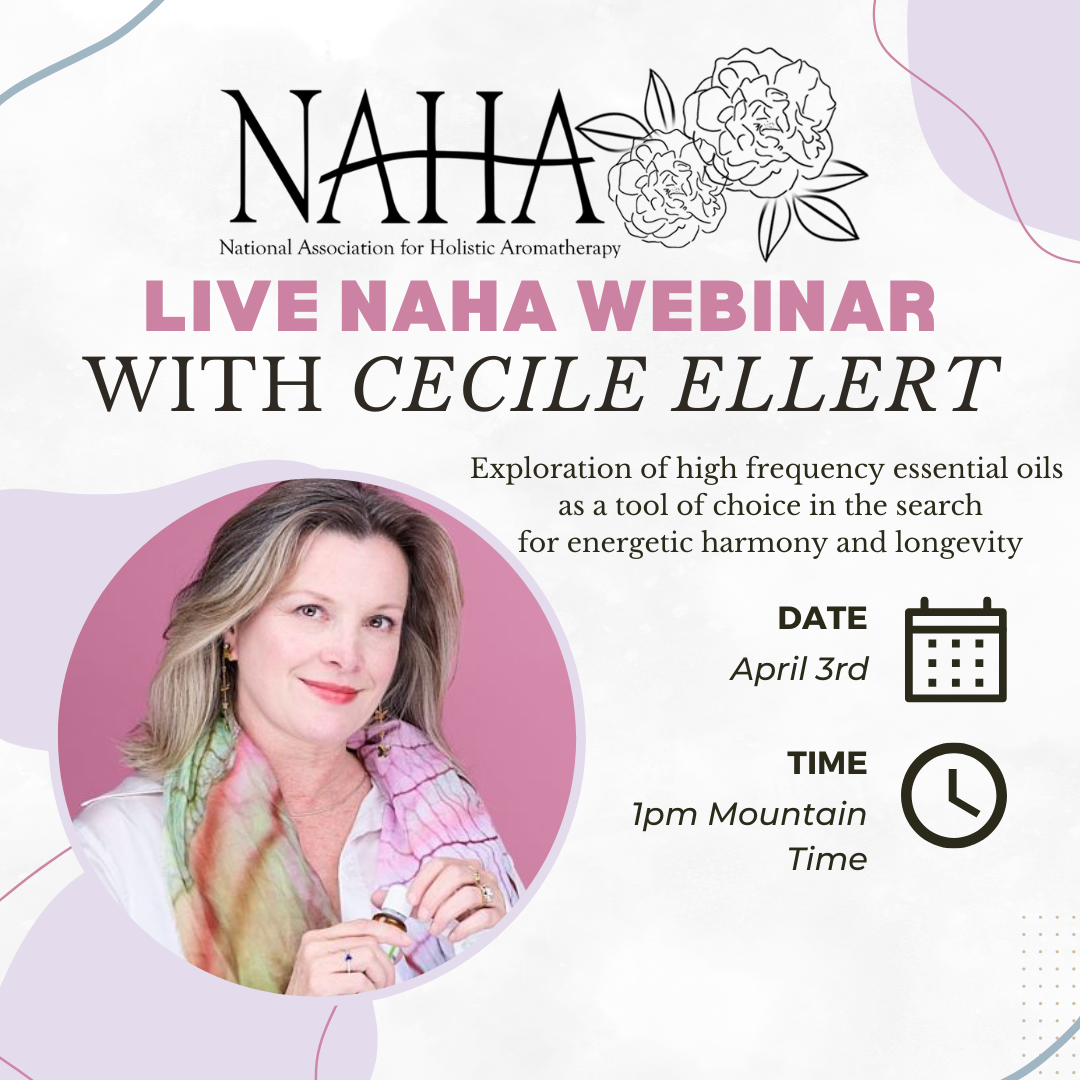
Many books and classes on Aromatherapy are available. There is also a professional association, The National Association for Holistic Aromatherapy (NAHA) which is a resource for trustworthy education and information about true Aromatherapy. NAHA provides international conferences with well known speakers on a wide variety of subjects. The next one is September 2006 in Boston. More information can be obtained through their website, www.naha.org.

Bio: Shellie Enteen, BA, LMBT has over 20 years of experience in the field of Holistic Health. She teaches in the massage program at Greenville Tech and is on the Board of the National Association for Holistic Aromatherapy. Her regular column on Aromatherapy appears in “Massage Today” and she teaches nationally approved continuing education in Aromatherapy and the Aromatherapy Full Body Technique. Shellie practices Therapeutic Massage, Aromatherapy, Aromatic Hot Stone Massage and Jin Shin Jyutsu at the Kimah Healing Arts Center in Greenville (864-232-2729.) Kimah carries her line of pure essential oils and blends, Three Rivers Aromatics. Shellie can be reached through her website, www.astralessence.com